Grow Your Business through Community
Hacking Communities is a book, practice, and methodology: seven connected frameworks for building communities that sustain themselves. If you've come looking for the method, start with what Hacking Communities is and how the methodology works.

About Laís de Oliveira
Laís is a community-led growth strategist and fractional executive. She builds go-to-market systems where belonging is the engine.
For 15+ years, across four continents, she has turned ideas into businesses, led teams through ambiguity, and designed growth systems where customer success becomes a movement.
The Work
These aren't five services.
They're one method, applied at different depths.
See how it works →
-
Designing growth systems where users become advocates: from research and customer success journey development to hyper-local activation and movement building.
-
Embedding as a fractional Head of GTM or growth strategistL leading cross-functional teams across product, ops, and marketing through ambiguity, across time zones, and into new markets. Senior leadership, without the full-time overhead.
-
Human-Centered Systems. Building community systems from the ground up leveraging my signature engagement frameworks: customer onboarding and success journeys, the 5 P's of Community, Closeness Circles, and Engineering Serendipity.
-
Clarifying voice, sharpening positioning, and turning complex missions into stories that move people to act: from pitch decks to keynotes to content strategy.
-
Scaling operations across markets and cultures from startup ecosystem strategy and government advisory to multi-city launches and distributed team building.
Trusted by Teams, Leaders & Partners
Let’s Work Together
Three ways to engage.
Strategy Consulting & Mentoring
Gain clarity. Decide with confidence.
One-on-one advisory for founders, leaders, and growth executives navigating what’s next. Strategic blueprint sprints with a clear endgame: from community design to growth.
Fractional & Executive Leadership
Your partner in getting it done.
Embedded in your team, leading across product, ops, and marketing. Strategic engagements from zero to one launches to community-led go-to-market.
Advisory & Speaking Engagements
Ideas that move markets.
Keynotes on community-led growth, panel moderation, emceeing, workshop facilitation, roundtables, and masterminds, or custom engagements for team meetings and off-sites.
Keynotes on community-led growth,
entrepreneurial ecosystem development, economic agency,
community and movement building.
-
![Laís de Oliveira on stage emceeing at Web Summit in Lisbon]()
Emceeing at Web Summit — Lisbon, 2019
-
![Laís de Oliveira interviewing Brad Feld on stage at CASE in Brazil, 2020]()
Interviewing Brad Feld at CASE — Brazil, 2020
-
![Laís de Oliveira delivering a keynote at Startup Grind Europe in Barcelona]()
Keynote at Startup Grind Europe — Barcelona, 2019
-
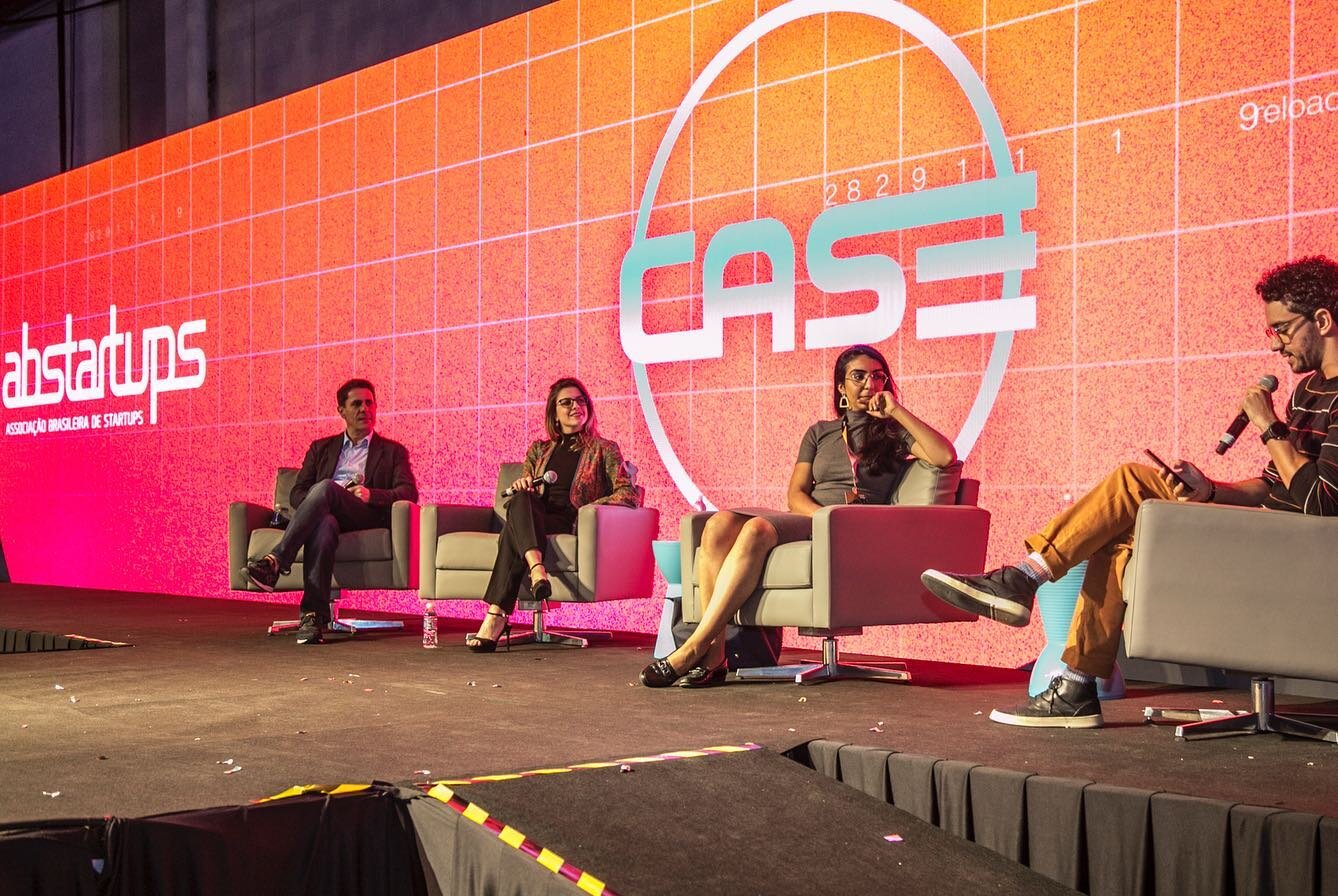
![Laís de Oliveira speaking on an expert panel at CASE in São Paulo, 2019]()
Expert panel at CASE — São Paulo, 2019
-
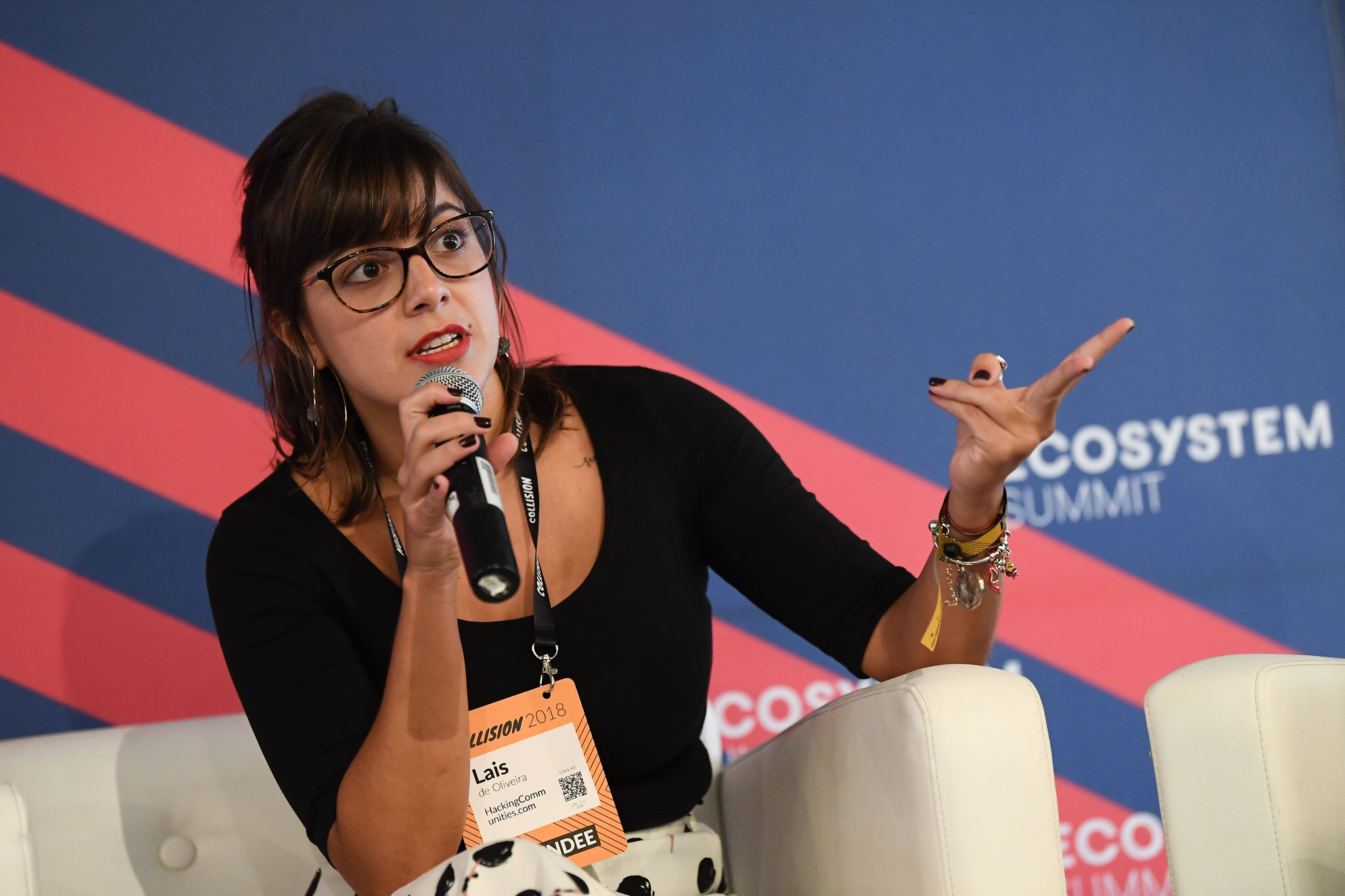
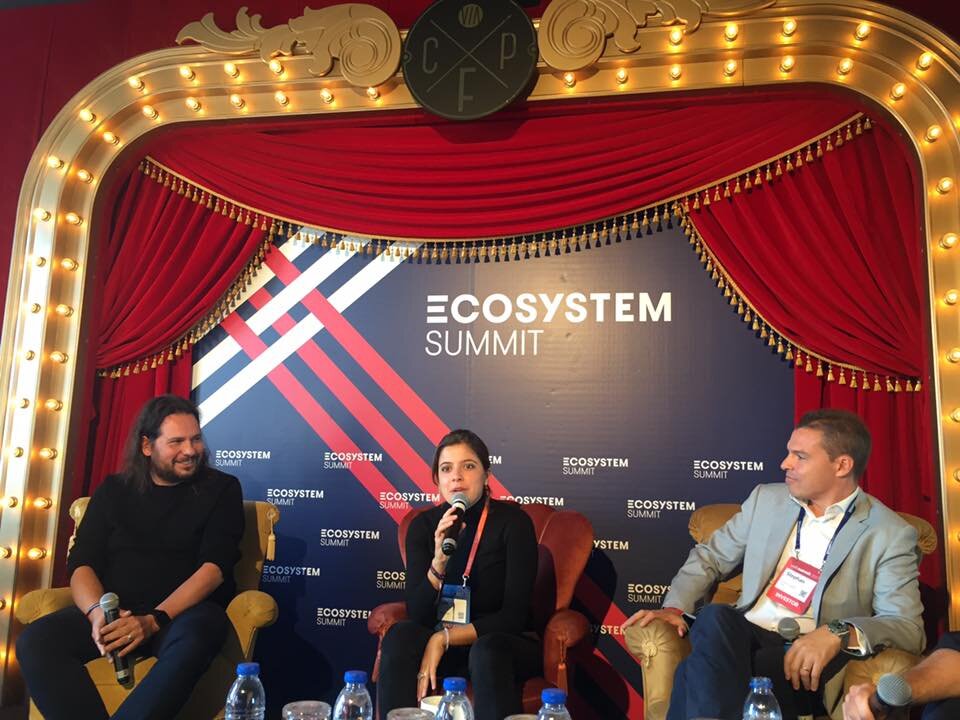
![Laís de Oliveira on the Ecosystem Summit panel at Collision, New Orleans, 2018]()
Expert panel, Ecosystem Summit at Collision — New Orleans, 2018
-
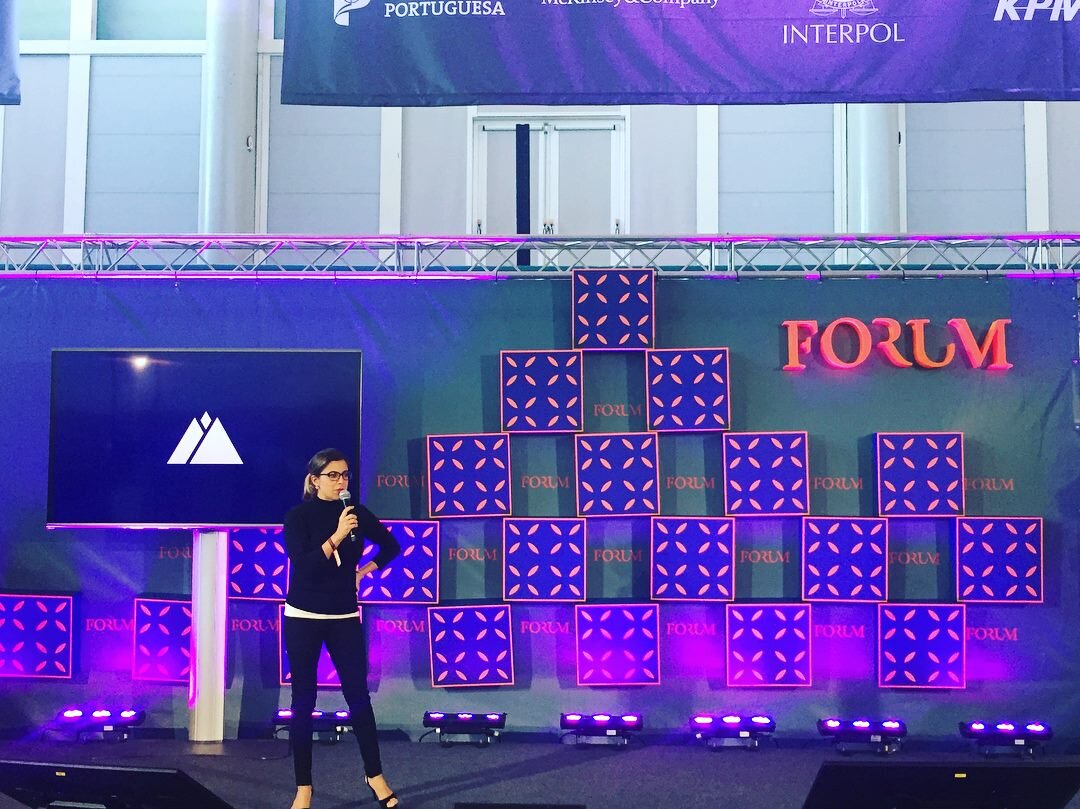
![Laís de Oliveira emceeing the Forum stage at Web Summit, Lisbon, 2017]()
Emceeing the Forum at Web Summit — Lisbon, 2017
-
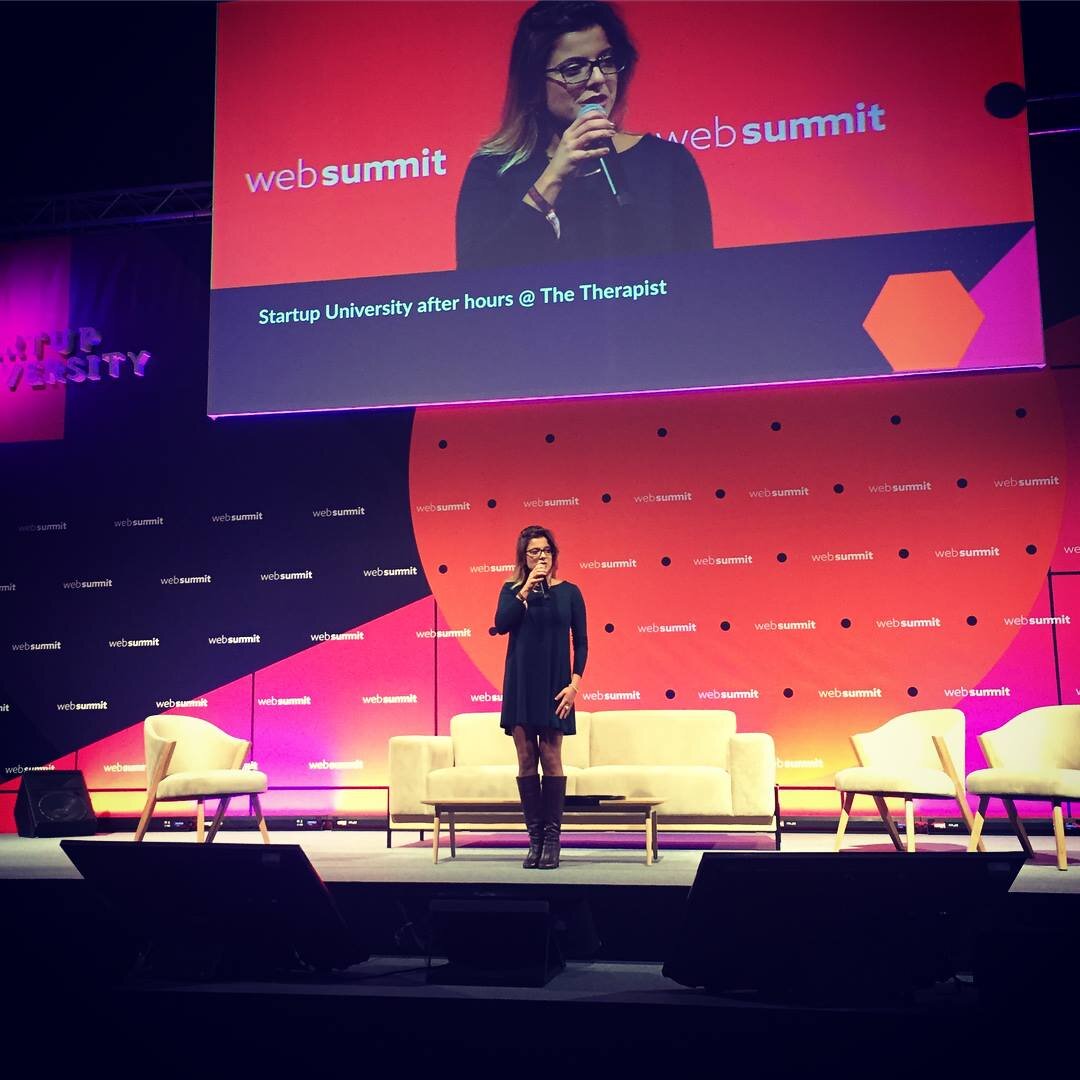
![Laís de Oliveira emceeing Startup University at Web Summit, Lisbon, 2018]()
Emceeing Startup University at Web Summit — Lisbon, 2018
-
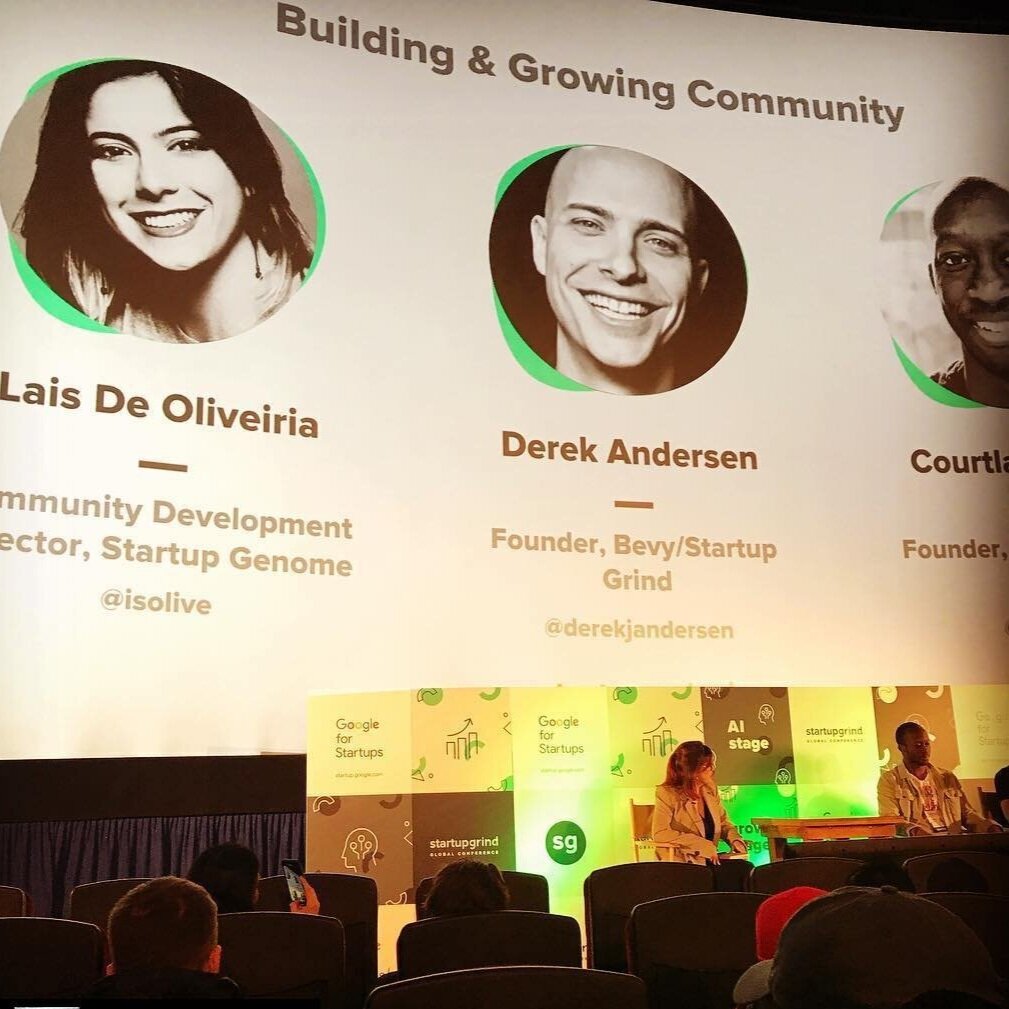
![Laís de Oliveira moderating a session at the Startup Grind Conference, 2019]()
Moderator at Startup Grind Conference — 2019
-
![Laís de Oliveira on the Ecosystem Summit panel at Web Summit Lisbon, 2017]()
Expert Panel at the Ecosystem Summit at Web Summit— Lisbon, 2017
-
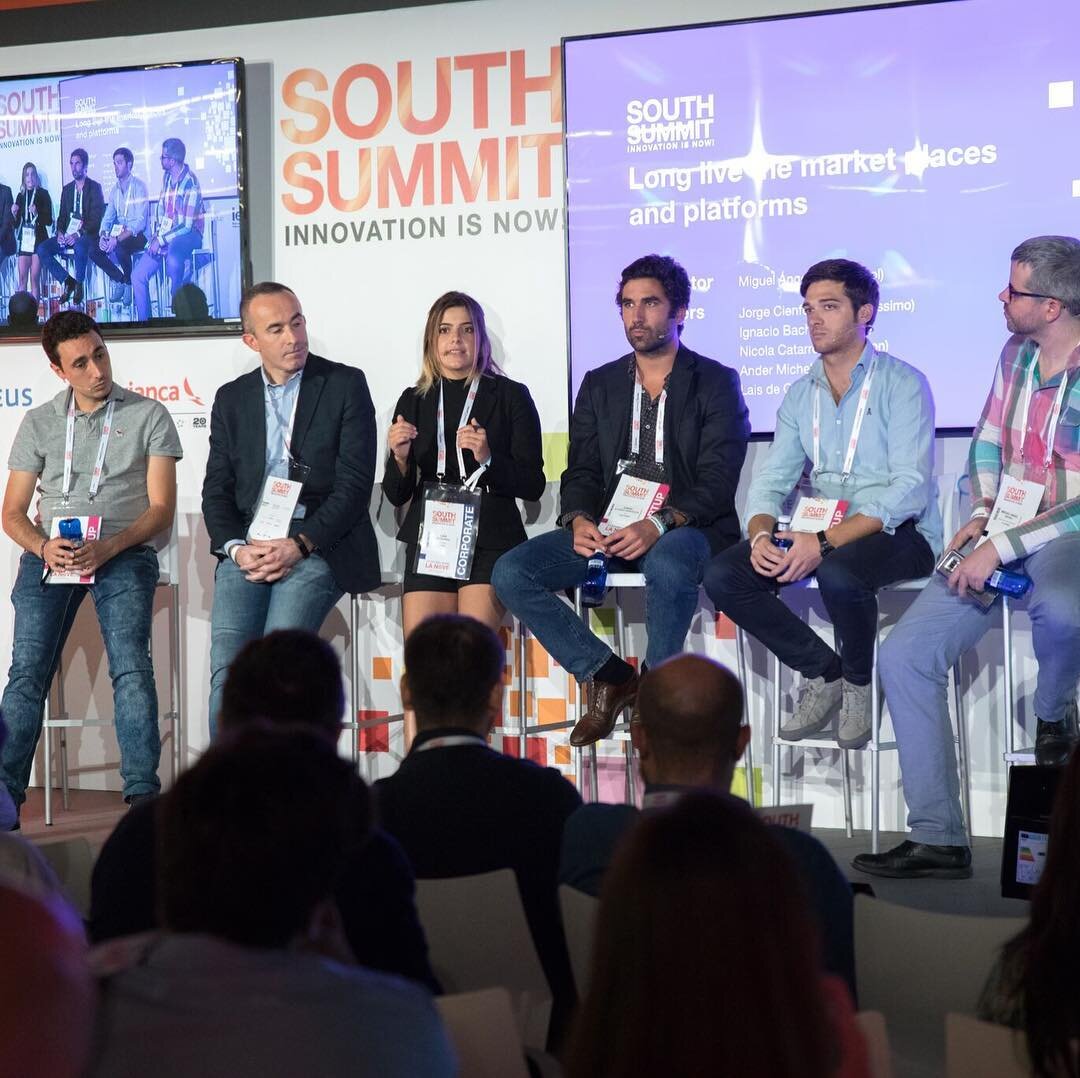
![Laís de Oliveira on an expert panel at South Summit in Madrid, 2017]()
Expert panel at South Summit — Madrid, 2017
-
![Laís de Oliveira in conversation with Erik Torenberg on the Village Global Podcast, 2020]()
Laís de Oliveira in conversation with Erik Torenberg on the Village Global Podcast, 2020
-
![In this episode of Loneliness Busters, Saumya Gupta talks to Laís de Oliveira on the art and science of community building.]()
Laís de Oliveira in conversation on the Loneliness Busters Podcast, 2023
-
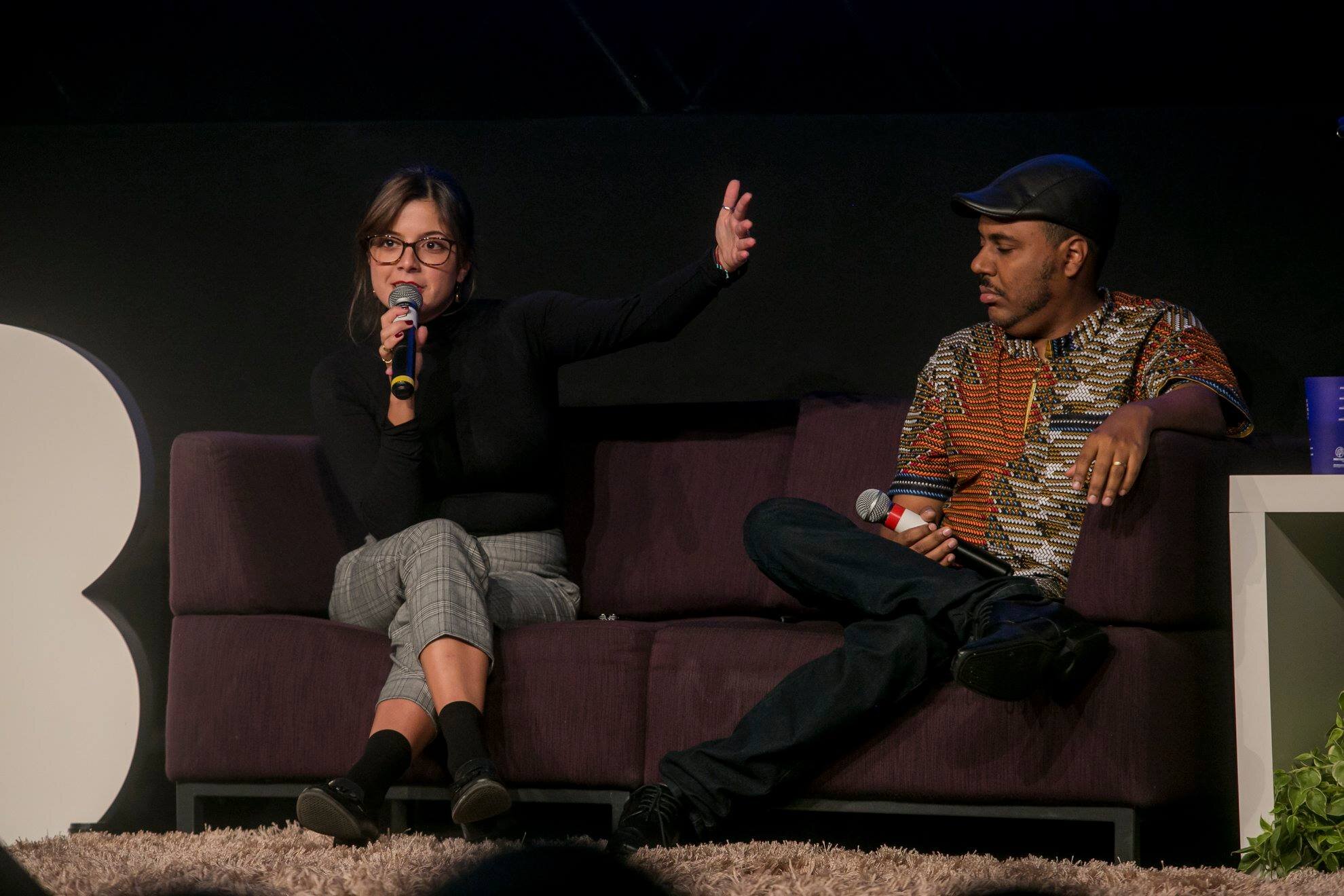
![Laís de Oliveira speaking at an expert panel at the conference Social Good Brasil 2018]()
Expert panel at Social Good Brasil — Brazil, 2018
-
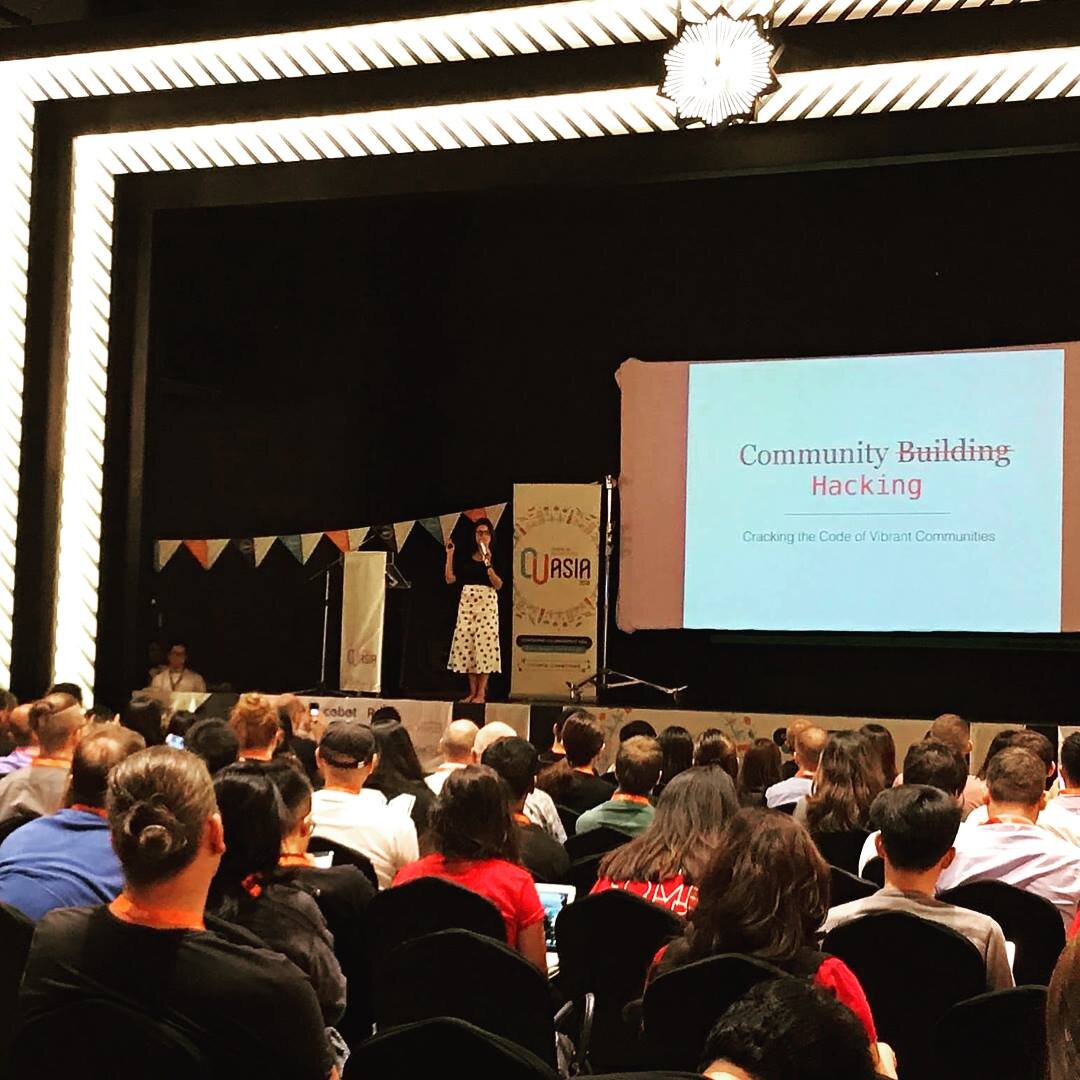
![Lais de Oliveira speaking as a Keynote at the Coworking Unconference Asia — Penang, Malaysia, 2018]()
Keynote at the Coworking Unconference Asia — Penang, Malaysia, 2018
-
![Lais de Oliveira speaking as a keynote at Innovation Conference CITIES 2018 in Uberlandia, Brasil]()
Keynote at Innovation Conference, CITIES — Brazil, 2018
-
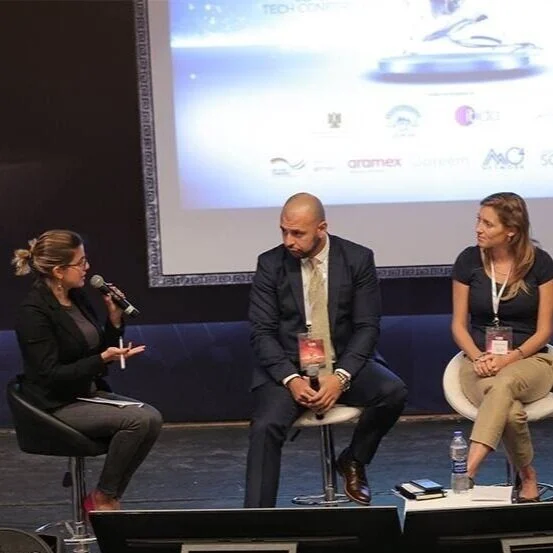
![Lais de Oliveira moderating a panel at Techne Summit in Alexandria, 2017]()
Expert panel moderator at Techne Summit — Alexandria, Egypt 2017
-
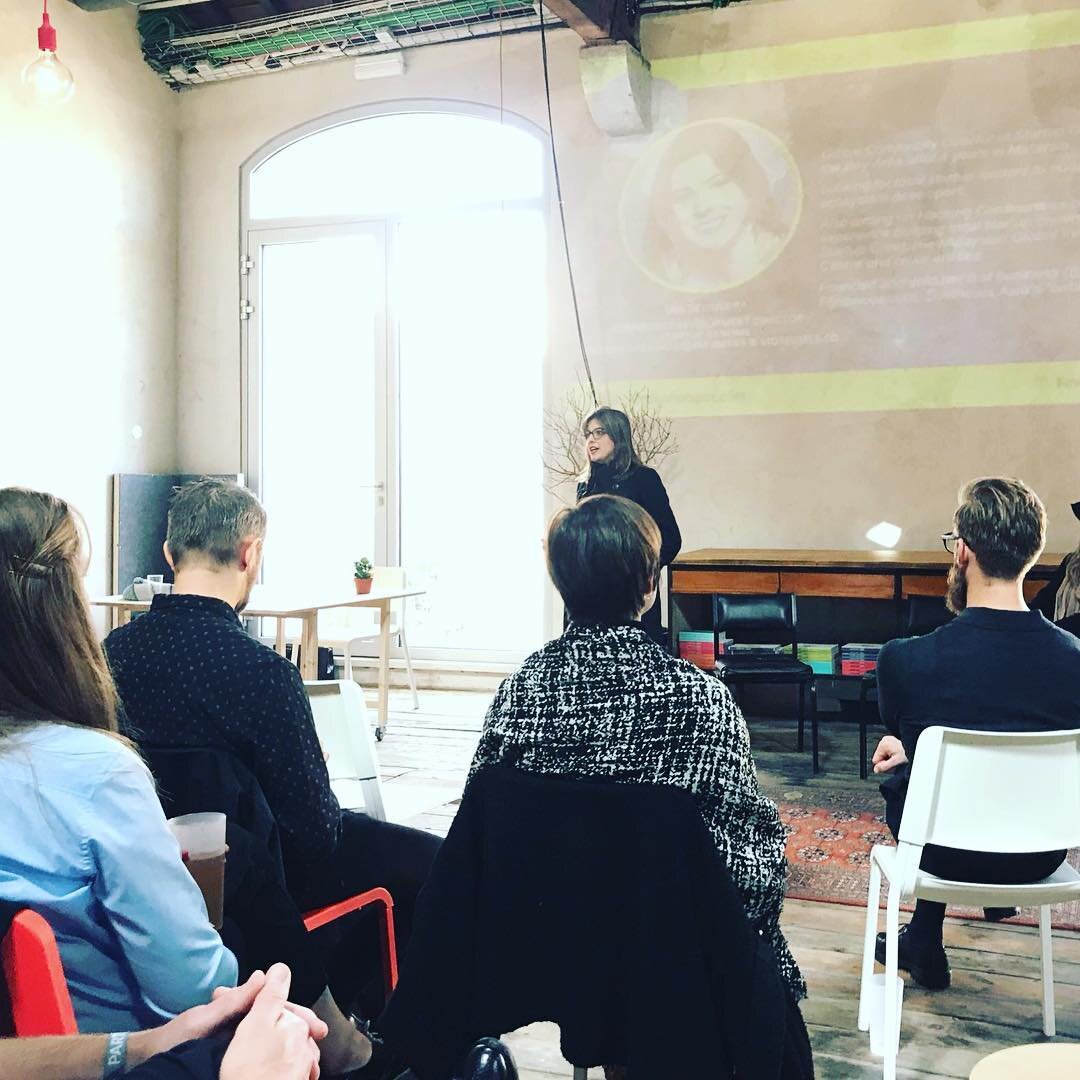
![Lais de Oliveira keynote at the Swedish House, Web Summit 2018]()
Keynote at the Swedish House, Web Summit — Lisbon, 2018
-
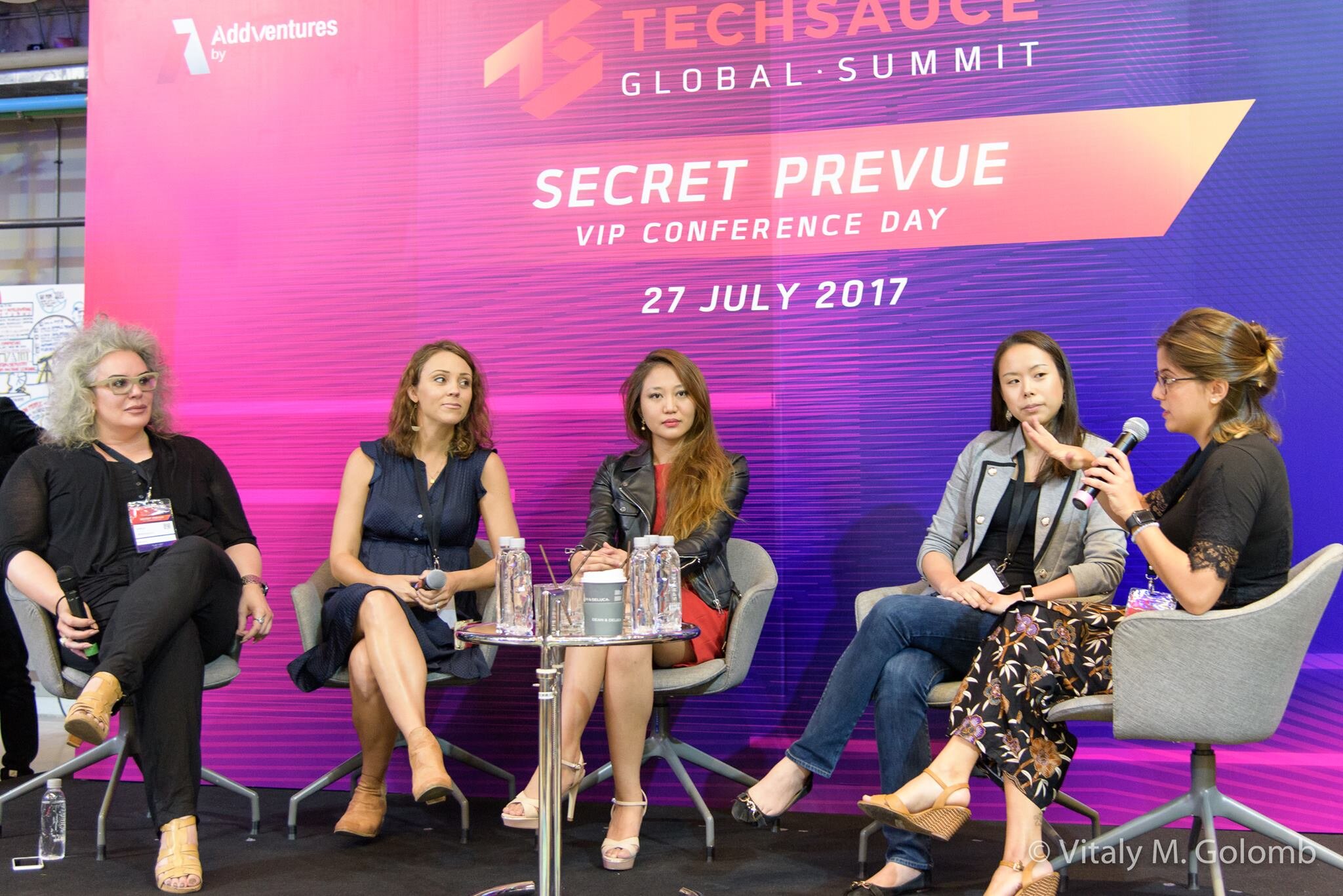
![Lais de Oliveira moderating an all female expert panel ate Tech Sauce 2017 in Bangkok, Thailad]()
Expert panel moderation at Techne Summit — Bangkok, 2017



Book a Call
Most engagements begin with a conversation. Book a call with Laís to talk through what you're building, where you're stuck, and whether working together makes sense.
Community Strategy: The Questions People Ask Before We Work Together
How to measure community ROI, where community belongs on the org chart, how long it really takes, and why your Slack channel is quiet. These are the questions that come up in almost every first conversation. The answers below are the ones I actually give — including the ones that lose me work, because a community built on the wrong expectations is worse than no community at all.
You measure it by movement — how members are advancing through your Community Success Journey, whether they're achieving what your brand promises, and whether they're contributing to its growth along the way.
Community ROI isn't a separate metric bolted onto the business. It's growth and customer success, measured at the level of individual people moving from newcomer to contributor. The long answer is in the method.
Three indicators:
Active participation. What share of members cross from consuming to contributing, and how fast. Your activation metric is the crossing, not the signup.
Time to contribution. How long from joining to contributing at the top. A stable number means a healthy pipeline; no number means you've been lucky with the same few people.
Growth. Members bringing members — and the product getting better because they're there.
And one that resists measurement but predicts everything: two strangers exchanging numbers and asking when the next one is. That isn't a KPI. It's the entire point, and it arrives before the metrics do.
How do you measure community success and ROI?
1
Community belongs in both, and the reason it usually ends up under marketing is a mistake worth naming: advocacy is the outcome everyone wants, so community gets filed next to the outcome rather than next to the work that produces it. Growth is an outcome of community operating inside product and operations — and putting the team under marketing quietly severs it from the thing that makes it work.
On a Business Model Canvas, community almost always sits on the right-hand side only: segments, channels, relationships. But if your members deliver part of your value proposition, they belong on the left as well — key resources, key activities, key partners. That moves them from value consumers to value creators, and it moves community into your cost structure, because real contribution requires real investment in infrastructure and interaction design.
In practice it means breaking the wall between the kitchen and the dining room: letting members see far enough into your operations to understand how to create value with you.
If you must put it somewhere, put it where the value is created — and give it a line into marketing rather than a desk in it.
Should community sit under marketing or product?
2
The difference is behavioral, not tactical. Traditional growth assumes you already know what to say, and optimizes how to say it louder. Community-led growth assumes the people you serve know things you don't — and builds systems that surface that knowledge continuously.
That changes what the community is for. In a growth-marketing frame, community is a distribution channel: somewhere to announce things and harvest advocacy. In a community-led frame, community is the product's nervous system. The feedback loops between members and the product team aren't a nice-to-have; they're how the thing gets better.
Done properly, community-led growth is customer development that never stops. Every gathering is a listening session. Every group message is signal.
The other difference is the direction value flows. Marketing is a one-sided announcement and it builds transactions. Community is a conversation running in every direction and it builds relationships. One ends with a customer. The other ends with someone who creates value for other members without being asked.
Ultimately, community-led go-to-market is a growth approach where a product’s most successful users become the engine, by referring others and by helping other users succeed. It works best where a product gets more valuable as more people use it, making network effects possible.
Learn more about the method.
What's the difference between community-led growth and growth marketing?
3
Where to go from here?
4
If you are here for the latest updated software, learn more about the Community-Led GTM method.
If you're trying to work out where your community actually is, start with the Dandelion Lifecycle — it tells you which work is in front of you. If you're trying to work out what to measure, start with the Community Success Journey. And if you want the whole system, all seven frameworks are here.
If you'd rather just talk it through, get in touch.
Original Frameworks from Hacking Communities
Every engagement draws from 15 years of building communities and the frameworks that came out of them. Pick one or start with a conversation — the work always begins where you are.
-
Defining customer segments, value proposition and monetization with the 5Ps framework (People, Purpose, Programming, Platform and Participation)
-
Activating user participation is at the core of creating and delivering community value. Make it possible and sustainable by defining 1) how members can contribute to delivering your value proposition and 2) for how long will they do that.
-
Borrowed from chemistry's collision theory: for a reaction to occur, molecules must collide with enough frequency, enough density, and the right catalyst. The same is true for people.
Frequency — a recurring rhythm of encounters. One event builds awareness. A cadence builds relationships.
Density — spaces designed for conversation, not presentation. Round tables, not rows of chairs.
Catalyst — anything that lowers the activation energy of a human connection. Strategic introductions, shared activities, food, a well-placed question.There's a natural limit to one-on-one introductions. Engineering Serendipity is how you scale connection. The point where you stop making introductions and start throwing parties with a purpose. → Read more about Engineering Serendipity here.
-
Lay the foundations to engineer serendipity by designing consistent collisions that build trust. Use the Attract > Engage > Commit framework to create excuses to bring people together (regularly).
-
Define a data-driven organizational structure and communication systems to reward and reinforce user contribution, deepening people’s sense of ownership and commitment to your community. Learn more about Closeness Circles.
-
A single dandelion flower produces up to two hundred seeds, each carrying the same core. The Dandelion Lifecycle maps how a community develops through six organic stages — Seed, Sprout, Bud, Flower, Seed Head, Flying — telling you where the whole organism stands and what it is capable of right now. It is the map the other six hang from.
-
Three values separate a community from a crowd: authenticity, humility, and abundance — the AHA values. They are called core from the Latin cor, meaning both heart and seed, because every other value a community holds grows out of these three like roots. They also work as a diagnostic: each one missing produces its own distinct failure. Read the framework →
Highlighted Roles as Consultant, Executive Partner, Mentor & Speaker
Leadership Experiences
-
Designing and leading the community-led go-to-market strategy for GigU's U.S. expansion. This includes qualitative and quantitative driver research, persona development, customer lifecycle mapping, advocacy engine design, and hyper-local market activation. Working closely with product and marketing leadership to align community intelligence with product strategy. Building the system where driver success becomes the growth engine.
-
Head of Strategic Initiatives: Spearheaded the launch of Timeleft Campus, leading product development from idea to MVP.
Head of North America: Managed the company’s largest and most successful region, managing a multi-million revenue portfolio. Expanded operations to 70+ U.S. cities, and led a team of eight people coordinating over 2,000 live venues.
-
Directed global strategies for community-led innovation and startup ecosystem development across 70+ cities.
Advised governments and civic partners in LATAM and APAC on using data-driven frameworks to foster entrepreneurial growth.
Partnered on national innovation strategies, contributing to public-private projects with lasting economic impact.
-
Designed and led the Community Builders Fellowship, a cohort-based program for global leaders from companies like Google, Reddit, and Duolingo.
Scaled the program from idea to global reach in under 12 months, combining peer-led curriculum, lifecycle engagement, and community operations.
-
Led regional growth across Africa, APAC, and Eastern Europe, launching 80+ chapters and onboarding over 100 community leaders.
Developed scalable onboarding and engagement systems that remain foundational to Startup Grind’s global community playbook.
Entrepreneurial Background
-
Founded 8Spaces, a B2B marketplace for real estate and flexible workspaces in Southeast Asia.
Scaled the platform through strategic partnerships and community-led marketing.
Successfully exited via acquisition by FlySpaces, where Laís served as Country Manager & Chief Community Officer, leading team expansion and growth operations
-
Works as a fractional executive, advisor, and consultant for education, wellness, and social impact platforms.
Built and implemented engagement frameworks that convert users into contributors and foster long-term retention.
Recent focus on care infrastructure, parenting-centered innovation, and community-led growth strategies.
-
A creative strategy studio for leaders and organizations navigating what's next. Two threads: consulting engagements focused on community strategy, brand narrative, and experience design. Creative projects including the Nest & North podcast, a children's book series on belonging, and storytelling-driven clarity journeys for people in seasons of transition. Where Hacking Communities is the business, Nest & North is the body of work.
Advisory & Public Speaking
-
Steered innovative initiatives to accelerate positive change toward the SDGs by mobilizing young talent in community leadership, problem-solving, and launching social and environmental solutions
-
Co-created and taught the first academic course on Community Marketing in Brazil at ESPM, the leading Brazilian university in Communication and Marketing.
-
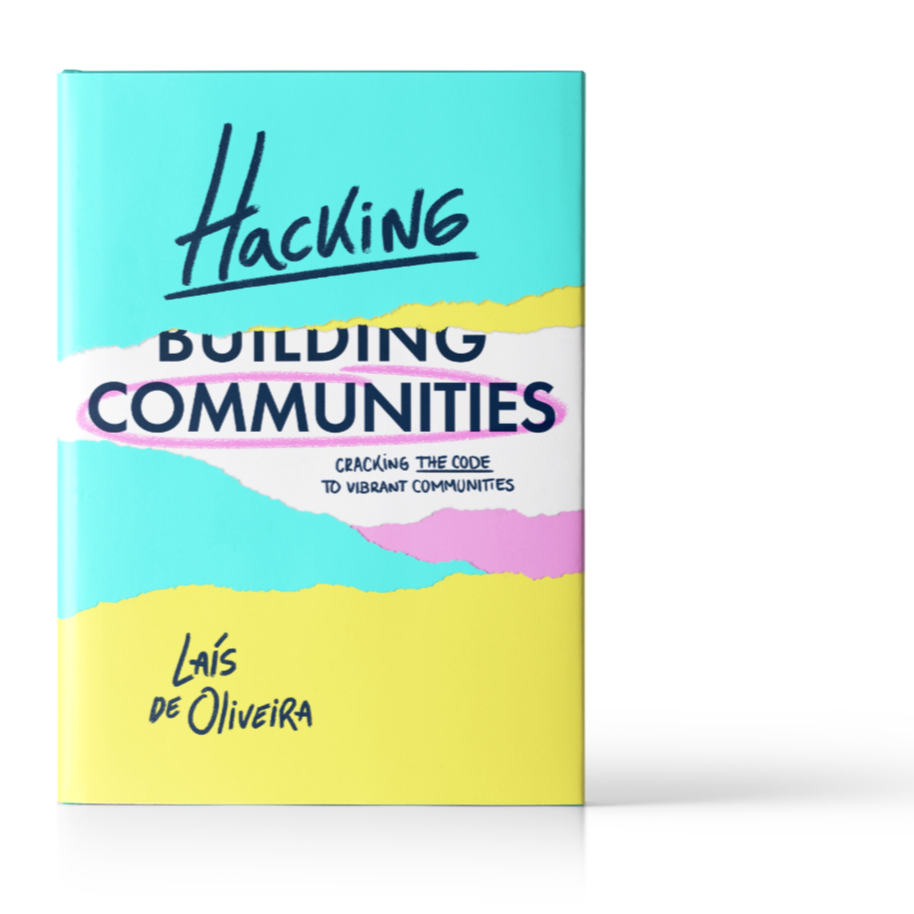
Published two books: Hacking Communities and Reinventando Comunidades (Lisbon Press, 2024), offering actionable frameworks for designing human connection at scale.
Regular speaker and mentor for global programs focused on innovation, equity, and future of work.
In a Nutshell: Community Success, Tailored to Your Needs.
Seasoned Community Executive on a Flexible Basis. If community is key to your business success, I can help: from building a community team to devising a solid strategy to enhance their capacity and achieve your goals. Let’s work together.